
St. Johns Weekly Arrest Sources
Start with what the sheriff's office actually offers. The St. Johns County Sheriff's Office posts no seven-day or 72-hour blotter. Its legacy SmartWebClient shows arrests on one alphabetical page, limited to a 24-hour window tied to each entry or refresh. That is a daily feed. It is not a weekly archive run by the agency. The newer SJSO inmate-search page, meanwhile, has gone dark at times, so an empty result may reflect an outage, a narrow display span, release filtering, or a software change rather than a true absence of bookings.
For the official paper trail, go straight to SJSO. The public-records page routes requests through GovQA and states that arrest reports, booking reports, mugshots, and statistics can all be requested. Include the full name, a rough date, the arresting agency, and the record type. Fees and timing shift from request to request, so ask for an estimate up front. Booking can answer a present-tense custody question at 904-209-3125. The St. Johns County Clerk handles whatever the case becomes later.
Three official pages cover three different angles. The SJSO inmate-search page is the current roster gateway despite occasional outages. The legacy daily booking page documents the one-day publication window and the active-software limit. The Clerk online-research gateway leads into the court record. None of them is a weekly feed on its own. Together, though, they separate publication, custody, and case status cleanly.
Read St. Johns Arrest Archives
Work backward, source by source. Pin down the exact date range first. Then check the official one-day feed and the current custody page for the name. The entry may have already rolled off. In that case, treat any dated archive as a lead and nothing more. Write down the agency, the date, the charge text, and the page address. Next, request the report from the named arresting agency. Ask SJSO for the county booking record as well. The Clerk's court record finishes the job with what followed the booking.
- Set a date range and list alternate name spellings.
- Check the resolved Daily Arrest Report for the one-day official route.
- Use dated news or archive pages to identify a possible event, not to establish current custody.
- Confirm the booking with SJSO or the arresting police department.
- Find the case and disposition through the Clerk's online-research gateway.
The order matters. A county archive can blend SJSO bookings with St. Augustine Police Department, St. Augustine Beach Police Department, Florida Highway Patrol, Florida Fish and Wildlife Conservation Commission, probation, court, and other agency records. A St. Johns County label alone tells you nothing about the original custodian. Keep the agency field pinned to every note you take.
St. Johns Arrest Log Fields
Florida's GS2 schedule describes commitment and release lists that may carry the fields below. Live third-party layouts vary. No single field is promised on every page.
| Field | How to interpret it |
|---|---|
| Name and booking date | Use both to separate similar names and locate the official event. |
| Booking number | An agency identifier that can narrow a records request. |
| Arresting agency | Shows which office may hold the incident or arrest report. |
| Charge and court | Intake charges and routing. |
| Bond or release method | A point-in-time entry that may change after first appearance. |
| Photo | SJSO creates an intake photo, but current public display is not verified. |
Never read custody out of an old row. A released person can linger on an unofficial archive. An outage can hide someone who is actually in the St. Johns County jail. Transmission lag does the same. The Booking line answers the present-tense jail question. Later hearings, pleas, dismissals, and judgments live in the Clerk's record.
Unofficial St. Johns Arrest Archives
Third-party pages offer the widest date navigation. None counts as an official SJSO weekly arrest log. The Arrests.org feed posts daily pages plus month and year links. Mugshots.zone lists monthly archives with counts. Mugshots.com keeps a county section. Busted Newspaper exposes a large set of dated St. Johns County entries. RecentlyBooked has shown no county records for stretches of thirty days. That says nothing about whether bookings occurred. Update frequency, corrections, agency mix, and removal rules all differ from site to site.
The dated Arrests.org archive shows a third-party day page in action. That page can persist long after the official short window closes.
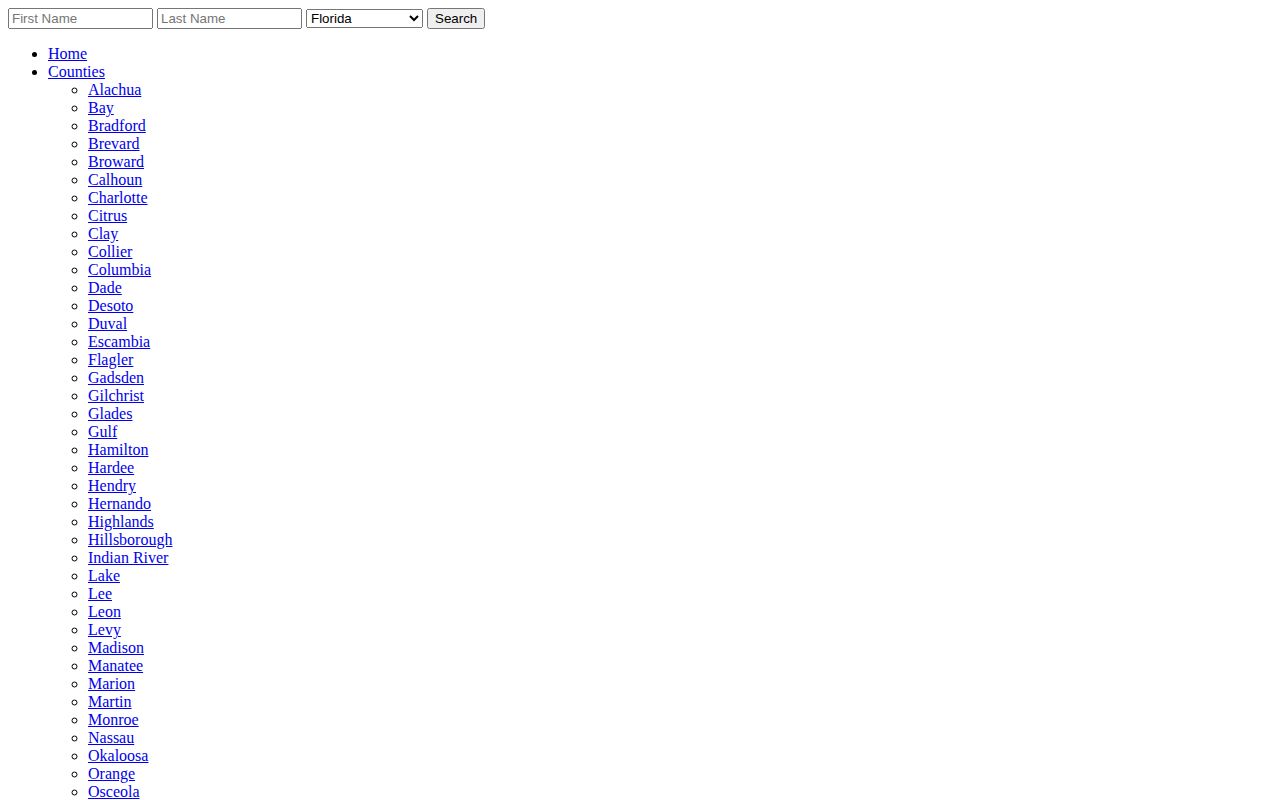
Use a layout like that to spot a possible date and agency. Then move to the public custodian that actually holds the record. The RecentlyBooked county page demonstrates why a blank private result always needs a caveat.
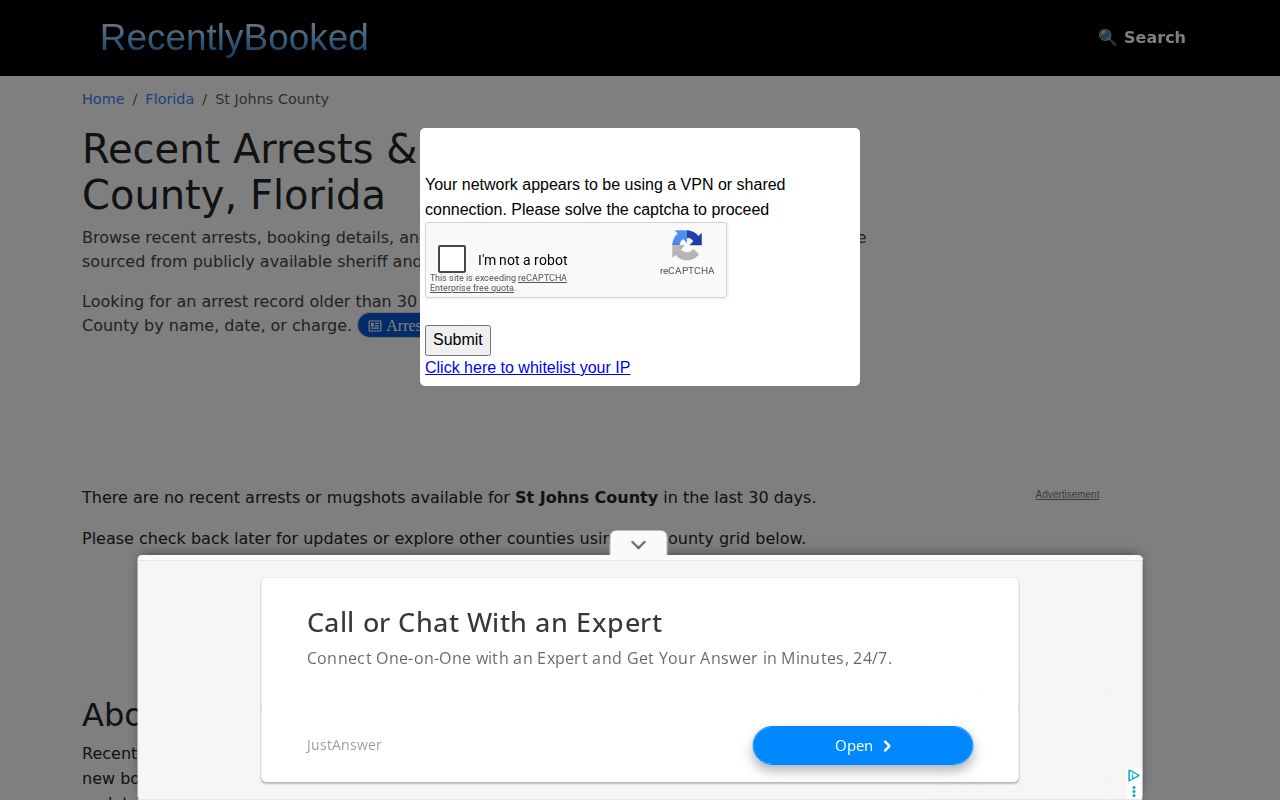
An empty span reflects one site's data at one moment. It cannot rule out records held by SJSO, a city police department, or the Clerk.
St. Johns Weekend Arrest Timing
No official source promises special weekend or holiday posting. The St. Johns County jail runs all week. Intake and public display are separate steps. Booking includes computer entry, fingerprinting, photography, medical screening, and charge updates. A feed can lag while those steps finish and systems sync. Someone may even begin release processing before a daily page turns over.
So a Monday search should span several dates and more than one channel. Check the legacy one-day source. Call Booking for present custody. Use a targeted records request for anything older. Skip calling a busy weekend a surge unless an official report supplies the count. Archive navigation shows publication depth, not a measured pattern of crime.
St. Johns Arrest News Context
A newsroom tells you why something happened. A jail roster tells you who was booked. St. Johns County gets both kinds of coverage. The St. Johns Citizen crime section runs selected crime, court, and public-safety stories, and its story-driven format shows how reporting goes deeper than a booking entry. News4Jax and Action News Jax also track the county, often working from agency releases. The St. Augustine Record is the long-running local paper, and The Saint Magazine's Court & Crime Beat adds courtroom context from time to time.
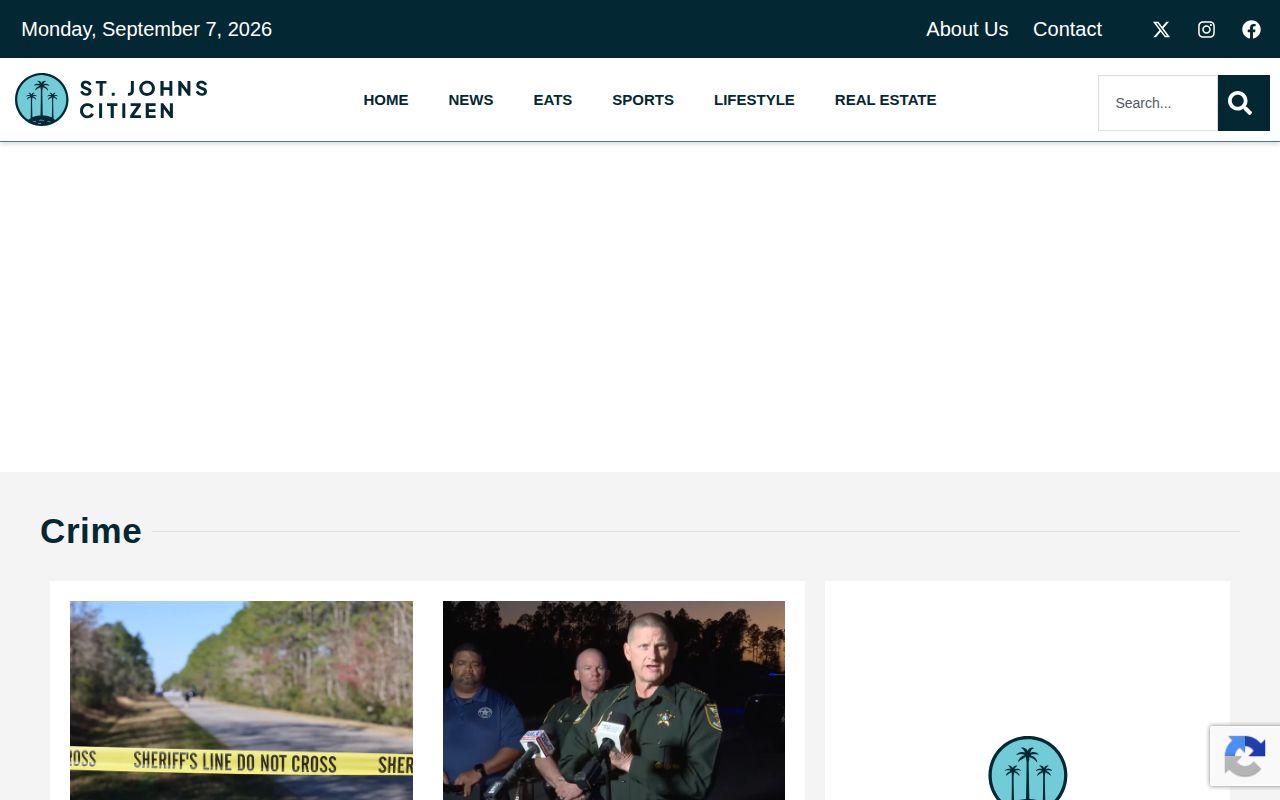
Where news shines is detail and follow-up, something a booking list never offers. A story can carry the full name and street. It can also cite the arresting agency in one place. Still, compare dates. Match the article's date against the booking date, and note which agency is cited. Then check with the Clerk for a disposition. A disposition is the recorded court outcome: dismissal, plea, acquittal, or judgment.
St. Johns Arrest Record Retention
A booking photo on a webpage is one thing. A record the law requires the county to keep is quite another. Florida's GS2 schedule sets the floor for the booking-record series. The commitment and release lists follow the same floor. That floor is at least one anniversary year after release. Headcount records sit on a separate clock. Investigative files follow other schedules. The right one depends on case type and the applicable limitation period. None of this obliges SJSO to keep a public page online that long. A roster can vanish from the web. Meanwhile, the underlying record survives in a drawer. For anything old, ask SJSO directly which record series controls it. Ask whether a hold applies. The Clerk reports that modern court records generally run from the 1990s forward. Older archival material may call for a terminal visit or a written request. The State Archives of Florida keeps selected records of historical significance. No St. Johns-specific transfer of routine booking photos appears in its catalog. Do not assume a photo was transferred. That takes a catalog entry or word from the agency itself. Make your request narrow. It will move faster. Write down the full name, the booking or arrest date, and the agency label. Add any case or booking number shown. Finish with the exact item you want. Ask whether the photo is filed apart from the booking record. A precise request lets the custodian locate the right series. It also helps the custodian estimate any permitted cost. Suppose SJSO no longer holds the item. Ask whether it was destroyed under schedule or transferred somewhere else. A private mirror of an old mugshot proves neither outcome.